The U.S. Penny: What’s Changing and Why
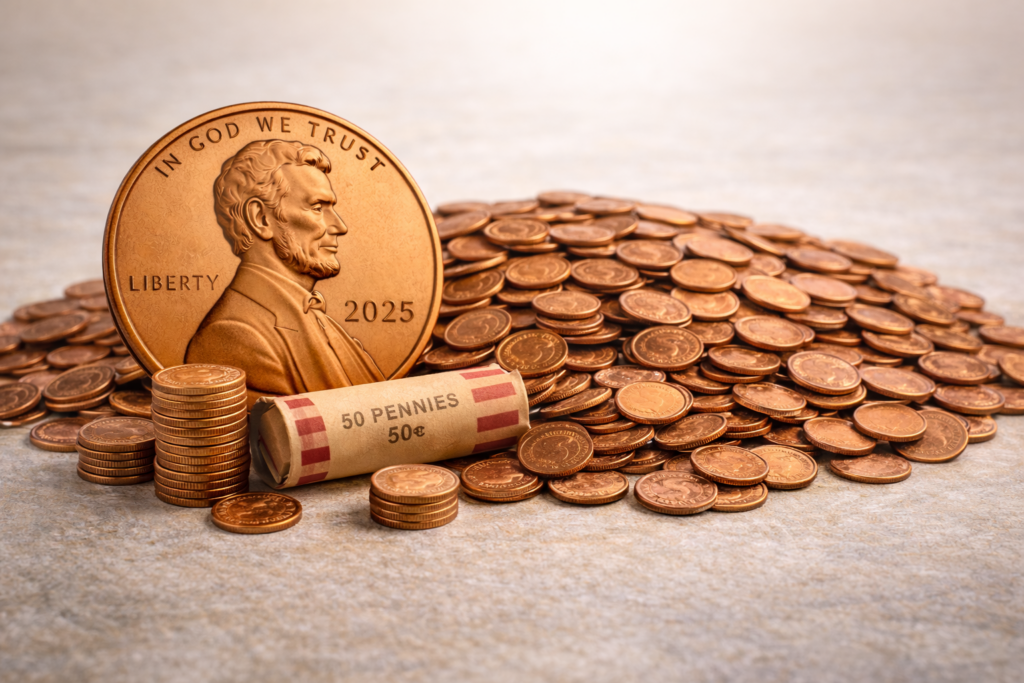
For generations, the U.S. penny has been part of everyday life. It’s been dropped into tip jars, tossed into cup holders, saved in piggy banks, and collected in jars on kitchen counters.
But recently, many people have started noticing something, the U.S. penny isn’t showing up as often as it used to. The future of the U.S. penny is changing.
So what’s happening, and what does it mean for you?
Why the U.S. Penny Is Being Phased Out
The biggest reason comes down to cost.
Over time, the U.S. penny has become more expensive to produce than its actual value. In other words, it costs more than one cent to make and distribute a one cent coin. That has led to growing discussion about whether it makes sense to continue producing it.
At the same time, fewer people rely on cash than they did in the past. With debit cards, credit cards, and digital payment options becoming more common, the U.S. penny is being used less often, and many coins end up sitting unused in jars or drawers at home.
What Merchants Are Already Experiencing
Even before the U.S. penny becomes rare, many merchants have already started adjusting how they handle small change.
Some businesses are choosing to round cash totals to the nearest five cents, especially when the U.S. penny is not available. Others are encouraging card payments to keep transactions moving quickly, and to avoid dealing with large amounts of coin.
Many stores are also using “take a penny, leave a penny” trays more often, since fewer pennies are circulating and they can be harder to keep stocked.
For merchants, it’s often a practical change. Handling and ordering large amounts of low value coins can slow down transactions, and add extra cost over time.
Will the U.S. Penny Still Be Accepted?
Yes, the U.S. penny is still legal tender.
Even if production slows down or stops completely, the U.S. penny already in circulation will still hold value. It can continue to be used for purchases, and can still be deposited at a financial institution.
How Purchases May Change
If the U.S. penny becomes less common, the biggest impact will likely be in cash transactions.
Some retailers may begin rounding totals to the nearest five cents when the U.S. penny is not available. That does not mean prices are increasing, it simply means totals may round slightly up or down depending on the final amount.
For card purchases, nothing changes. Debit and credit transactions will still be charged to the exact cent.
What Should You Do With Your U.S. Pennies?
If you have U.S. pennies saved at home, you are not alone. Many households have jars of coins tucked away, and those small amounts can add up faster than people expect.
If you have been holding onto loose change, now is a great time to bring it out and put it to use. Whether you spend it, roll it, or deposit it, those pennies still have value.
Even one jar of coins can turn into extra savings, or help you reach a financial goal sooner.
A Small Coin With a Big History
The U.S. penny may be small, but it has played a big role in American history and everyday life. For more than 200 years, it has been one of the most recognizable pieces of currency in the country.
While the future of the U.S. penny may look different than it once did, it is still a reminder of something that never goes out of style, every cent counts.