|
Fraud attempts don't stop, and neither do we.
Michigan United Credit Union wants you to know about a current text scam using our name. Learn what to watch for.Learn more |
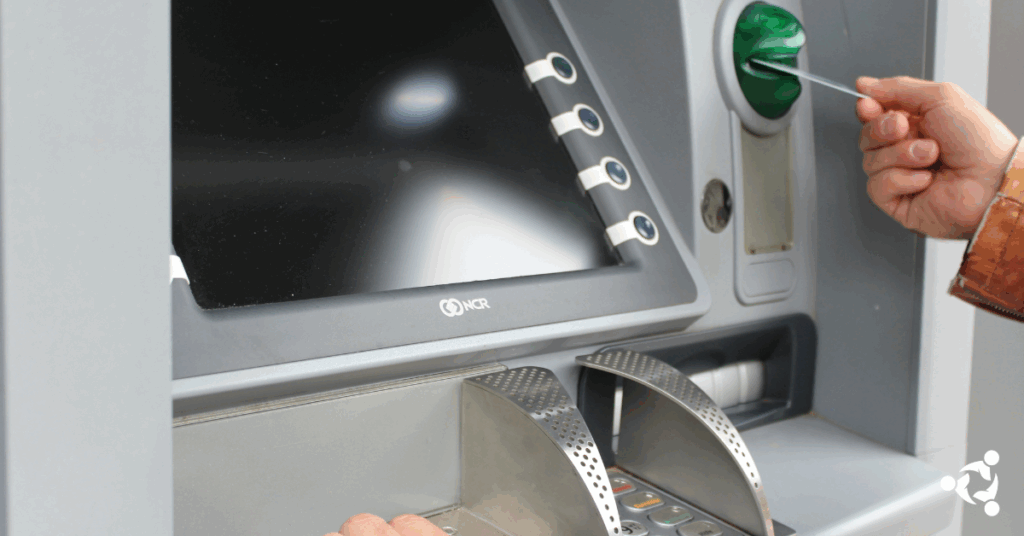
At Michigan United Credit Union, your financial safety is our top priority. One of the fastest-growing threats to debit and credit card security is skimming. Here’s what you need to know to stay protected.
Skimming happens when criminals attach hidden devices to ATMs, gas pumps, or point-of-sale terminals. These devices capture your card information when you swipe or insert your card. Sometimes, tiny cameras or fake keypads are used to steal your PIN too.
ATMs – especially ones in less visible or poorly lit areas.
Gas station pumps – criminals often target pumps farther from the attendant.
Retail checkout machines – if a card reader looks “loose” or tampered with, trust your instincts.
Before you swipe or insert your card:
✅ Inspect the card slot – does it look bulky, loose, or different from others nearby?
✅ Check the keypad – does it feel raised, spongy, or “off”?
✅ Look for cameras – tiny devices may be hidden above the keypad.
✅ Watch for broken security seals – especially at gas pumps.
Use ATMs and pumps in well-lit, busy areas.
Cover the keypad when entering your PIN.
Set up alerts on your Michigan United CU account to catch suspicious activity quickly.
Use tap-to-pay or mobile wallet options when available—these bypass skimmers.
Report anything unusual right away.
At Michigan United Credit Union, we regularly monitor our ATMs, partner with fraud-prevention experts, and keep our systems updated to safeguard your information. If you ever notice something suspicious at one of our ATMs, please notify us immediately.
If you think your card has been skimmed:
Call us right away
We’ll help secure your account and issue a replacement card.
Keep an eye on your account and update your passwords.
Fraudsters are clever, but together, we can outsmart them. A few seconds of caution could save you from a big headache later.


Federally insured by NCUA
We Do Business in Accordance With the Federal Fair Housing Law and the Equal Credit Opportunity Act
© 2026 Michigan United Credit Union. All rights reserved.
1. Assess Your Financial Health
Before diving into the homebuying process, take a close look at your finances. Review your income, savings, and monthly expenses. Make sure you have enough money saved for a down payment, closing costs, and other expenses such as moving or home maintenance.
2. Check Your Credit Score
Your credit score plays a crucial role in determining the interest rate on your mortgage. Request a free credit report from major credit bureaus and address any discrepancies or areas for improvement. A higher credit score can save you thousands over the life of your loan.
3. Set a Realistic Budget
Determine how much you can afford to spend on a home. Use online mortgage calculators to estimate monthly payments, factoring in property taxes, insurance, and utilities. Remember to leave room in your budget for unexpected expenses.
4. Get Pre-Qualified for a Mortgage
A mortgage pre-qualification provides an estimate of how much you may be able to borrow, helping you understand your home-buying budget. It can also demonstrate to sellers that you are preparing for the financing process.
5. Define Your Needs and Wants
Make a list of features you’re looking for in a home, such as the number of bedrooms, location, or proximity to schools. Separate must-haves from nice-to-haves to narrow your search and focus on homes that meet your criteria.
6. Research the Market
Familiarize yourself with the local housing market. Look at current home prices, trends, and neighborhoods that align with your preferences. This research will help you make informed decisions and identify good deals.
7. Work with a Real Estate Agent
A knowledgeable real estate agent can guide you through the process, provide insights about the market, and negotiate on your behalf. Choose an agent who understands your needs and has experience in the area where you want to buy.
8. Save for Additional Costs
In addition to the down payment, budget for other costs such as inspections, appraisals, title insurance, and moving expenses. Having a financial cushion can help you handle these expenses without added stress.
9. Stay Organized
Keep track of important documents, deadlines, and communications with your lender, real estate agent, and other parties involved. Staying organized can prevent delays and ensure a smooth transaction.
10. Be Patient and Flexible
Finding the perfect home takes time. Be prepared for challenges such as bidding wars, changing market conditions, or compromises on your wish list. Patience and flexibility can help you stay positive and focused on your goal.
Final Thoughts
Buying a home is a significant investment and a life-changing decision. By following these tips, you can approach the process with confidence and make choices that align with your financial goals and lifestyle. With the right preparation and mindset, you’ll be well on your way to finding your dream home.
Principal & Interest $1421
Monthly Taxes $1421
Monthly HOA $1421
Monthly Insurance $1421
*This information may help you analyze your financial needs. It is based on information and assumptions provided by you regarding your goals, expectations, and financial situation. The calculations do not infer that the company assumes any fiduciary duties. The calculations provided should not be construed as financial, legal or tax advice. In addition, such information should not be relied upon as the only source of information. This information is supplied from sources we believe to be reliable, but we cannot guarantee its accuracy. Hypothetical illustrations may provide historical or current performance information. Past performance does not guarantee nor indicate future results.